5 Health Benefits of a Gardening Hobby
A gardening hobby is the regular, recreational practice of growing plants such as vegetables, herbs, flowers, or shrubs for enjoyment rather than income. It can happen in a backyard, a community plot, a balcony, or a few pots on a windowsill.
Research links this kind of routine contact with soil and plants to better mental well-being, more physical activity, and healthier eating habits. That is why many clinicians now treat gardening as a low-cost, low-risk way to support everyday health.
If you’re looking into the health benefits of gardening, the evidence points in one direction. Gardening can lower stress, lift your mood, keep you moving, and even nudge you toward better food choices.
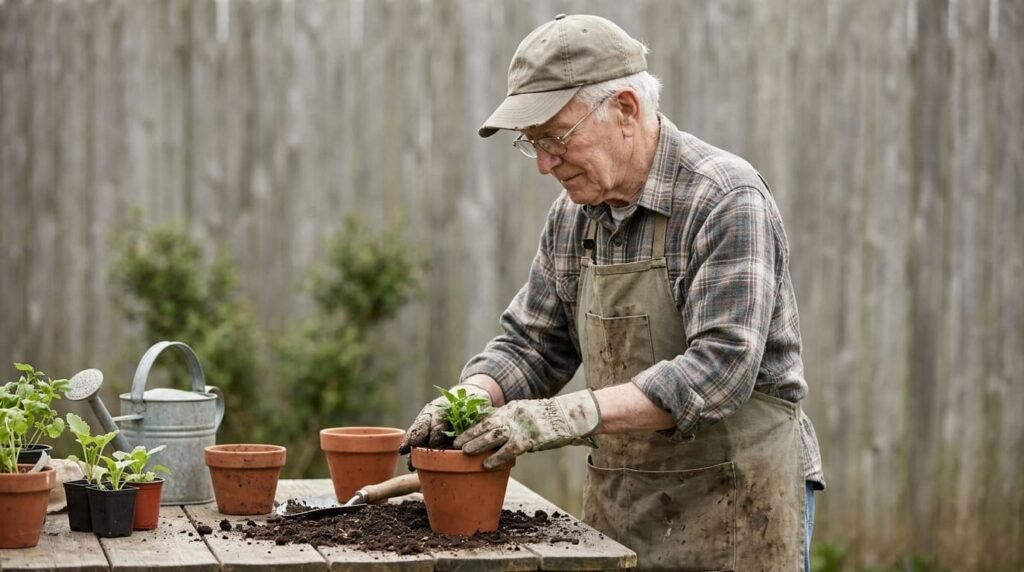
A meta-analysis of 22 studies found that gardeners showed consistent improvements across a wide range of health outcomes. Below, we’ll go through the benefits that matter most and how to get them without turning your yard into a second job.
Table of Contents
Gardening Hobby And Stress Response
Stress is the benefit most people notice first, and it’s backed by an actual experiment. In a Dutch field study, 30 allotment gardeners completed a stressful task and were then randomly assigned to 30 minutes of outdoor gardening or indoor reading.
Both activities lowered cortisol, but the drop was significantly stronger in the gardening group. Positive mood was fully restored after gardening, while it kept sliding in the reading group.
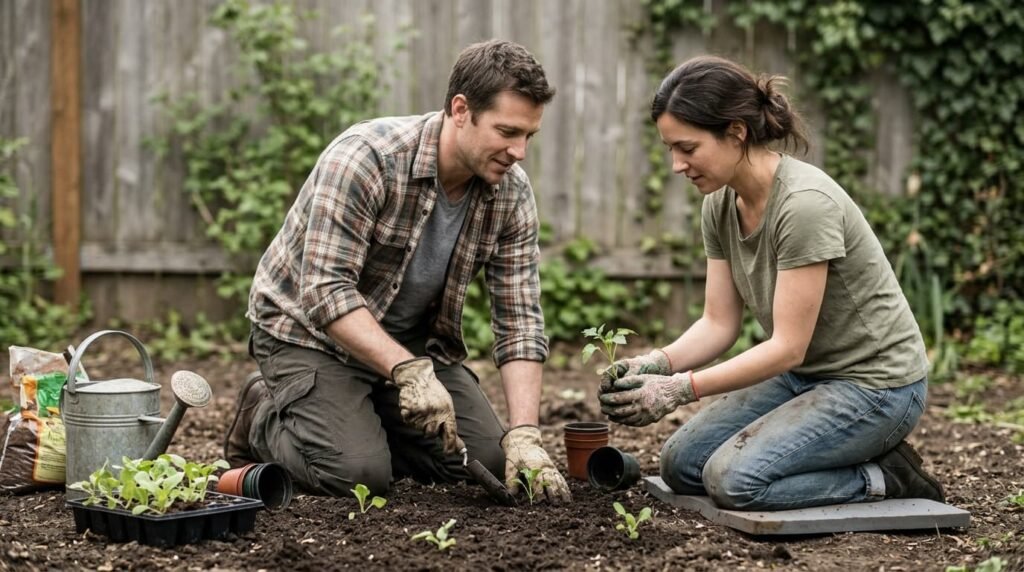
Keep in mind that this was a small study and it only measured short-term relief. Even so, it’s a good reason to treat a short session among your plants as a reset button after a rough day. You don’t need a big plot. Watering, weeding, or repotting for half an hour is enough to get started.
Long-Term Mental Health
The benefits don’t stop at one calm afternoon. The meta-analysis mentioned earlier reported that gardeners had lower depression and anxiety and higher life satisfaction, quality of life, and sense of community. The authors also noted that the well-being gains were stronger than the physical ones, and that people in horticultural therapy programs tended to benefit most.
Gardening combines physical activity, social interaction, and exposure to nature and sunlight in a single activity. That mix is hard to find in a gym membership or a pill bottle. Gardening has been associated with a lower prevalence of dementia in several countries, though that is an association and not proof of cause.

If you’re dealing with ongoing low mood or anxiety, gardening is a helpful companion to professional care and not a replacement for it. Treat it as one tool in the kit.
Gentle Exercise
Digging, raking, hauling soil, and pushing a wheelbarrow all count as physical activity, and the Dutch researchers describe gardening as a moderate-intensity activity.
The meta-analysis also found that gardeners tended to have a lower body mass index than non-gardeners. Thompson’s Clinical Medicine paper adds that garden work helps restore dexterity and strength, which matters more as we age.
Always think about how you move while you work. Bend at the knees instead of the waist, switch tasks every so often, and use a kneeling pad if your joints complain. A gardening hobby should leave you pleasantly tired, not sore for three days.
Eating More Fruits and Vegetables
This one is easy to overlook, but it adds up fast. A Denver survey of 436 residents found that community gardeners ate fruits and vegetables 5.7 times per day, compared with 4.6 for home gardeners and 3.9 for non-gardeners. About 56 percent of community gardeners met the five-a-day recommendation, compared with 37 percent of home gardeners and 25 percent of non-gardeners.
The takeaway is simple. When you’ve grown the tomatoes yourself, you’re more likely to eat them. If you want the biggest dietary payoff, start with fast crops like lettuce, radishes, herbs, and cherry tomatoes.
Social Connection and a Sense of Purpose
Gardens bring people together. Neighbors swap seedlings, community plots build friendships, and caring for living things adds structure to your week. A study of gardening and mental health in Uganda points to this same mix of physical activity and social support as a reason gardens may help prevent mental health problems across all ages.
If you live alone or work from home, joining a community garden can do double duty. You get the plants, and you get regular, low-pressure contact with other people.
Starting a Gardening Hobby Without Burning Out
Start small, because most beginners overreach. Pick two or three easy plants, put them somewhere you’ll see them every day, and build from there.
Early on, you can usually tell which plants suit your light and space, so don’t be afraid to drop the ones that struggle and replace them with something tougher.
A few practical habits help:
- Aim for short, regular sessions instead of one exhausting weekend marathon.
- Wear sunscreen and a hat, and drink water, especially in warm weather.
- Wear gloves and keep your tetanus vaccination up to date, since soil can carry bacteria.
- Choose crops you actually like to eat so the harvest keeps you motivated.
Finally, so your expectations stay realistic, remember that some seasons will fail. Plants die, pests show up, and the weather does what it wants. That’s part of the appeal.
Learning patience and trying again next season is one more way a gardening hobby quietly looks after your mind. If you have a medical condition, mobility limits, or are pregnant, check with your doctor before taking on heavy garden work.