Goat Forage: Advanced Level Knowledge
Any plant material that goats eat directly from the land is considered goat forage. This includes browse, forbs, legumes, and grasses (fresh or as hay).
People often treat goats as if they were small sheep. Goats are suited to a completely different type of diet. Let’s go over all the information you need regarding goat forage.
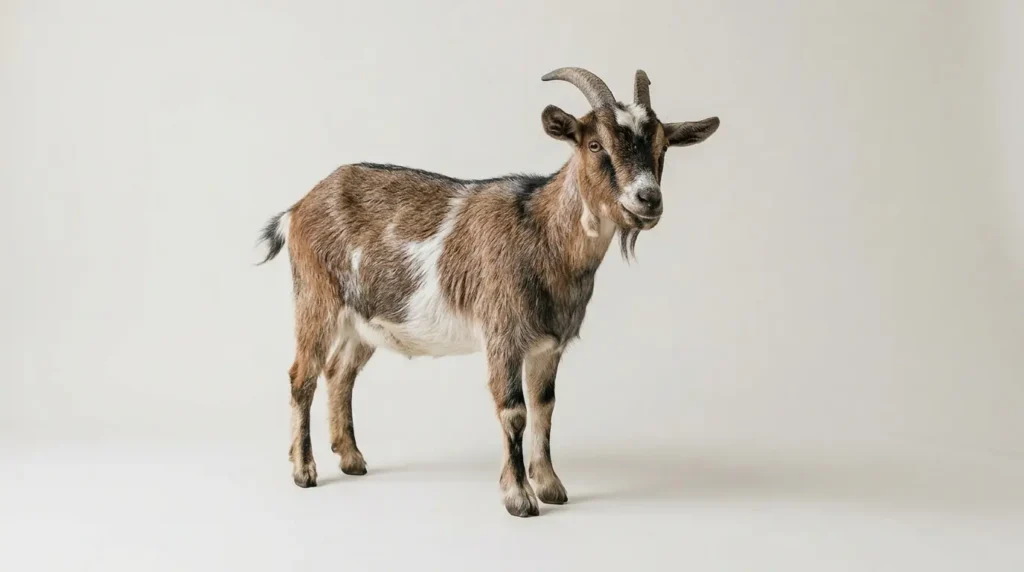
Table of Contents
Goat Forage Categories
Forage is the umbrella term, and it covers four main categories:
- Browse: leaves, twigs, bark, vines, brambles, and tree foliage from woody plants.
- Forbs: broadleaf plants, often labeled weeds, such as clover relatives, plantain and dandelion.
- Legumes: protein-rich plants like alfalfa, clover, lespedeza and cowpea.
- Grasses: pasture species such as orchardgrass, bermudagrass and fescue, fresh or cut as hay.
Hay and silage are simply preserved forage.
Browse
Browse protein content ranges from 142 to 248 g/kg dry matter (that is about 14 to 25 percent), together with total digestible nutrients between 549 and 673 g/kg dry matter.
The average level of condensed tannins in these plants was about 20.6 g/kg dry matter. Furthermore, browse causes goats to eat higher up, reducing their contact with parasite larvae that live close to the soil surface.
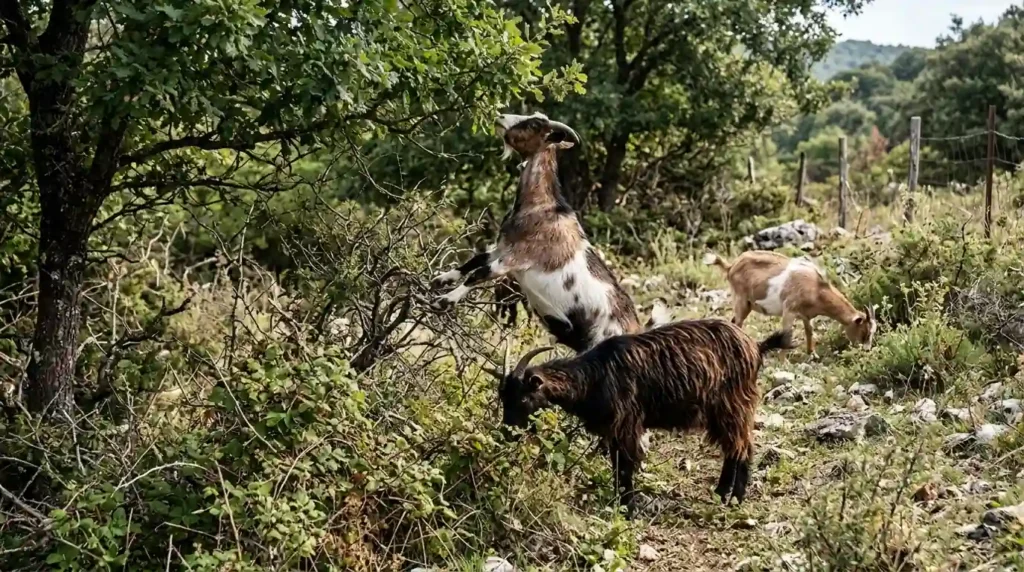
The only disadvantage is regrowth. Woody plants take longer to recover than pasture grasses and therefore browse areas must have a period of rest.
Legumes and Forbs
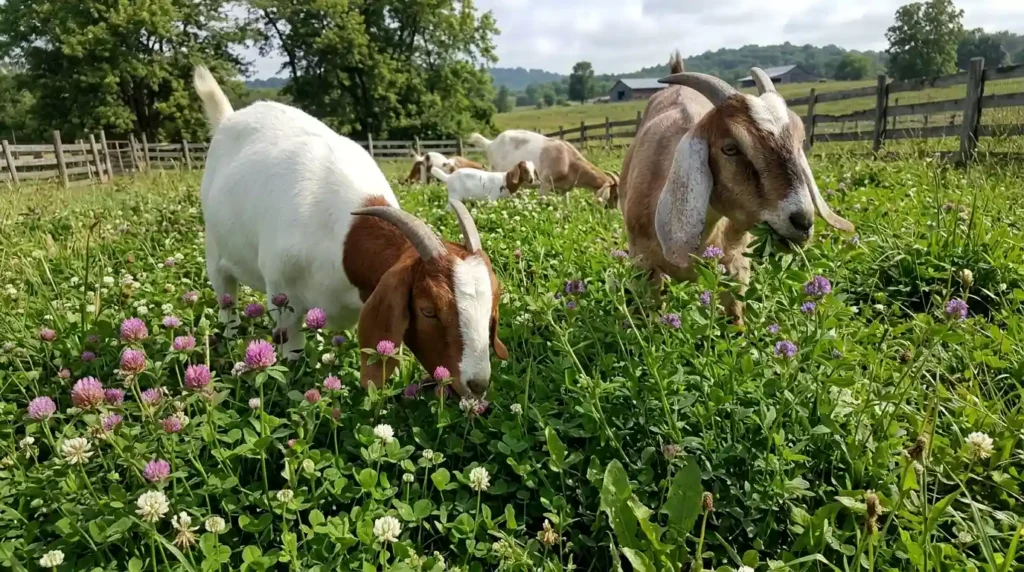
Legumes including alfalfa, red clover, white clover, and lespedeza have a high protein content. They are particularly valuable for does in their late gestation period, for lactating does, for growing kids, and for breeding bucks.
Grasses
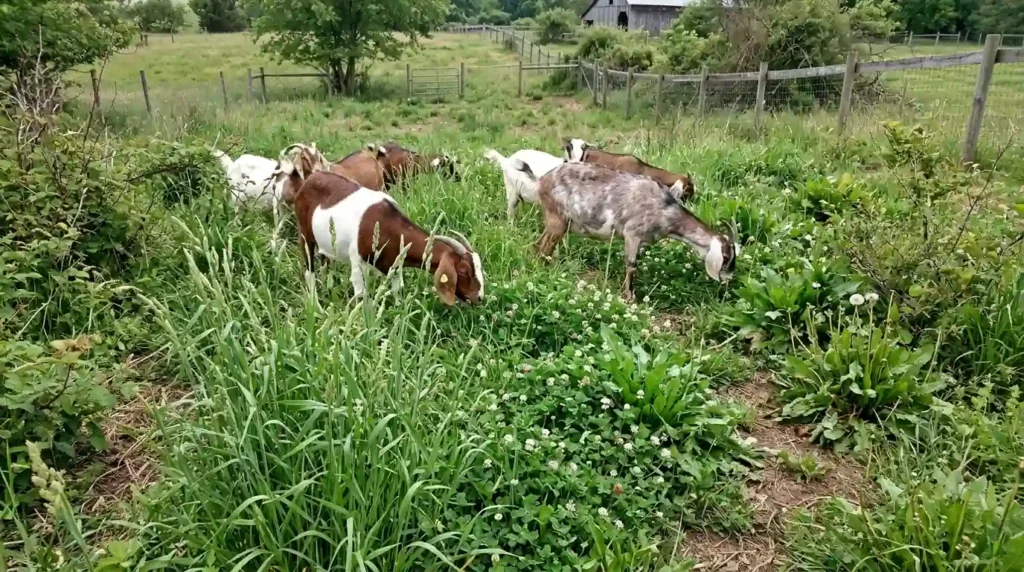
Grasses supply fiber during spring and fall. Young, leafy grass is much more nutritious than old, stemmy grass.
Forage Quality and Nutrient Needs
All goats do not require the same kind of forage.
- Dry does and non-breeding mature bucks: low to medium quality forage with about 10 to 12 percent protein and 50 to 60 percent TDN is enough.
- Late-gestation does, lactating does, breeding bucks, weanlings and yearlings: high-quality forage or browse with concentrate supplement.
- Minerals: trace mineralized salt or a complete mineral containing selenium should be available year-round.
Dry matter intake varies between 2.3 and 3.9 percent of body weight.
How Goats Choose What to Eat
Goats that are fed a variety of browse together with their mothers end up being better foragers than those reared on just one pasture. If you obtain goats from a dry lot, allow for a period of learning.
Goats dislike getting damp; a goat is likely to fall ill. It’s best to offer them shelter when it’s raining and avoid sending the herd into forage that has been soaked with dew.
Goat Forage and Parasite Control
The main limitation to making a profitable amount of goat meat in the United States is due to internal parasites (particularly the barber pole worm (Haemonchus contortus)) since resistance to deworming medications is common.
Sericea lespedeza is a perennial warm-season legume containing a high level of condensed tannins. In a controlled experiment, feeding the goats sericea lespedeza hay resulted in a significant reduction in fecal egg counts (P < 0.01) and an increase in packed cell volume.
Forage Plan
When fresh growth comes to a standstill, most farms rely on hay. A more effective approach is to arrange the forage seasons in such a way that nutritious growth is always taking place.
The SARE suggests introducing cool-season grasses and legumes into warm-season pastures and also overseeding warm-season pastures with warm-season legumes. The following is a simple framework:
- Spring: cool-season grasses, clovers, and fresh browse flush. Watch for lush growth that can cause digestive upset if goats move in hungry.
- Summer: warm-season legumes like lespedeza and cowpea, plus shade trees and brush for browse.
- Fall: stockpiled pasture, brassicas, and leaf fall from oak and other safe trees.
- Winter: quality hay, stored browse cuttings, and concentrate only where body condition demands it.
Plants to Keep Away
Since goats are browsers, they will attempt almost anything. Several plants, such as rhododendron, azalea, mountain laurel, oleander, yew, leaves of wild cherry when withered, are poisonous.
Before allowing the goats into any paddock, walk around it to check, take away or put up fences around any plants that are in doubt, and consult your state extension office to confirm any local hazards.
References
- University of Arizona Cooperative Extension. Nutritional Characteristics of Arizona Browse (AZ1273).
- Peischel, A. Nutrition Management for Healthy Goats. Tennessee State University and University of Tennessee Cooperative Extension (2014).
- Mueller, P., Poore, M., Luginbuhl, J.M., and Green, J. Forages for Goats. North Carolina State Extension (2020).
- Kamupingene, G.T. and Abate, A.L. (2004). Nutritive value of goat diets in Okondjatu communal area of east-central Namibia. South African Society for Animal Science, 34(5), 72 to 75.
- Selection of Forage Resources by Juvenile Goats in a Cafeteria Trial: Effect of Browsing Experience, Nutrient and Secondary Compound Content. National Library of Medicine, PubMed Central.
- Shaik, S.A., Terrill, T.H., Miller, J.E., Kouakou, B., Kannan, G., Kaplan, R.M., Burke, J.M., and Mosjidis, J.A. (2006). Sericea lespedeza hay as a natural deworming agent against gastrointestinal nematode infection in goats. Louisiana State University Repository.
- Southern Sustainable Agriculture Research and Education (SARE). Sustainable Year-Round Forage Production and Grazing/Browsing Management in the Southern Region (2014).
- Southern SARE project report. Effect of Sericea Lespedeza Hay on Gastrointestinal Nematode Infection in Goats.
Also read:



2 Comments