
Backyard beekeeping doesn’t seem as complicated as it looks from the outside, but there is a right way and a wrong way to do it.
The wrong approach generally results in either a dead colony or an angry neighbour.
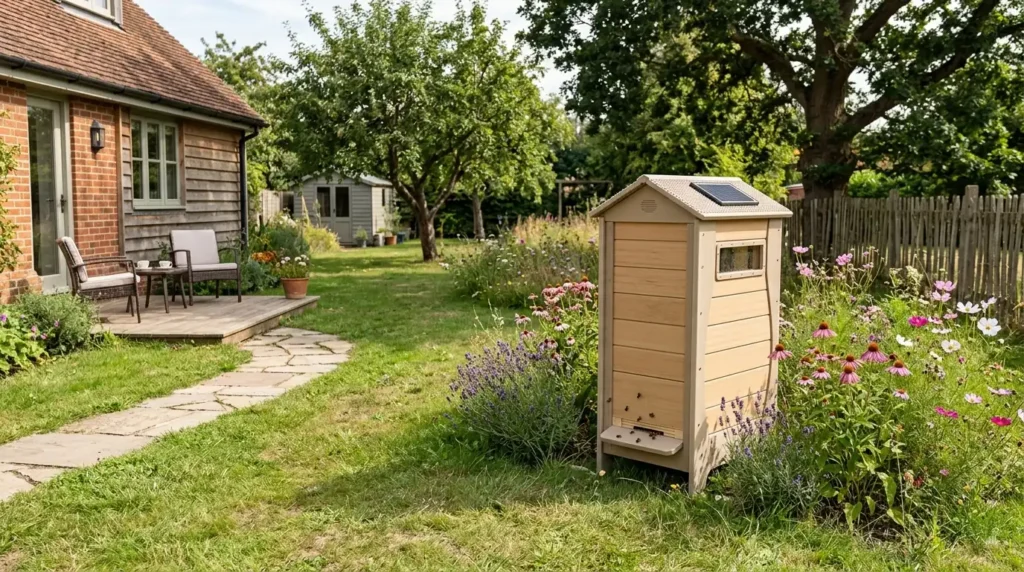
It will be helpful for you when ordering your first package of bees to consider some points: where you are going to place the hive, what sort of bees you would like, and how you are going to deal with the sure-to-happen sting or two.
Table of Contents
Check local laws before buying
This step is one that most people would like to skip, and it’s the one that tends to catch people out the most.
Many cities and housing associations have particular rules regarding backyard beekeeping, the distance they must be from property boundaries, and whether or not a permit is required.
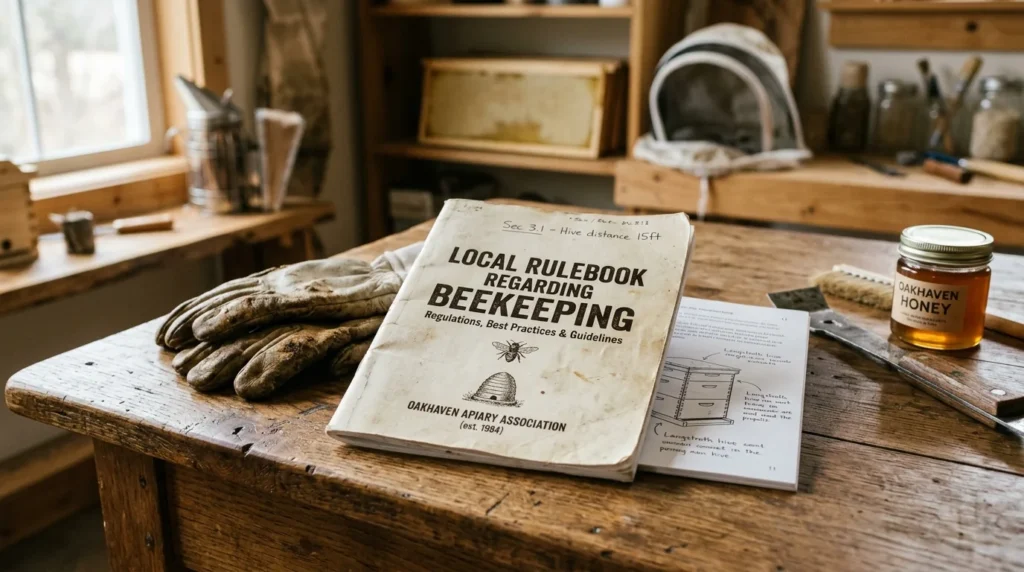
In some municipalities, beekeeping is completely forbidden, whereas in others you are entirely free to keep a few colonies provided that you register them.
It’s a good idea to contact your local extension office or look into your city’s zoning regulations before spending any money on equipment. Penn State Extension’s beginner beekeeping guide is a good starting point for understanding what regulations usually look like state to state.
Picking a spot for the hive
It’s best to choose a site that receives morning sun (helps wake the bees up and enables them to start foraging earlier) but also has a bit of afternoon shade, particularly if you live in an area with extremely hot summers.
The hive entrance should be positioned so that it isn’t facing high-traffic areas in your garden, such as a patio or a children’s swing set.
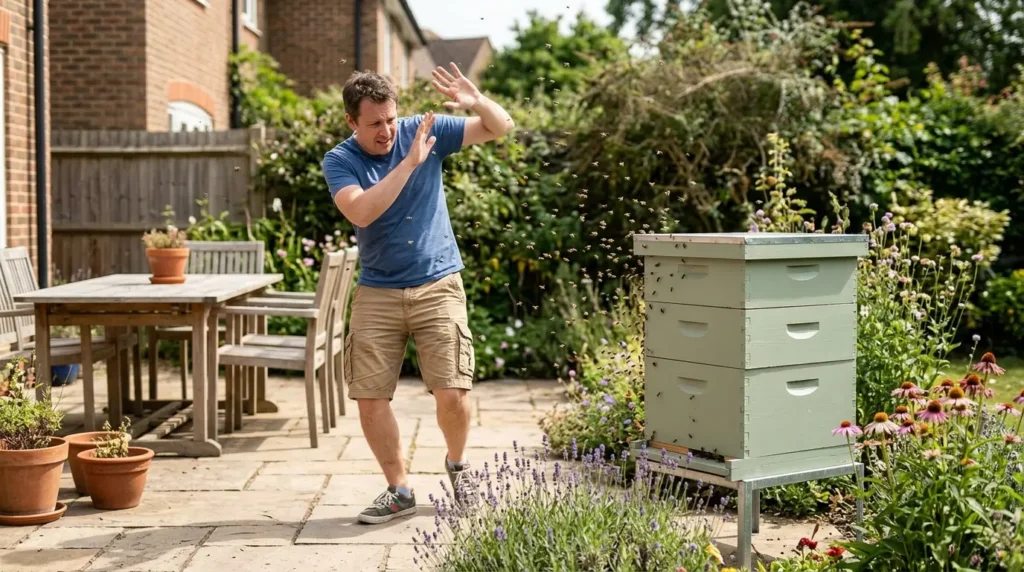
The bees fly in a nearly straight line from the entrance, and you don’t want that path crossing over where people are.
Having a windbreak (fence, hedge, or the side of your house) also has the effect of keeping the colony calmer and reducing the amount of energy the bees use just to stay warm.
You should also consider the foraging range of your bees. Although honeybees are capable of travelling a few miles from the hive to find food, the further they have to fly, the more energy they use up and the less honey they return.
This is why a yard containing nearby flowering plants, gardens, or at least a good area of clover will give your colony a real head start.
Choosing bee and hive type
In the United States, backyard beekeeping begins with Italian honeybees because they are mild, productive, and tolerant of the errors that beginners tend to make.
If you live in an area with a colder climate, then Carniolans are another good option since they are a little better at saving their resources during the winter.
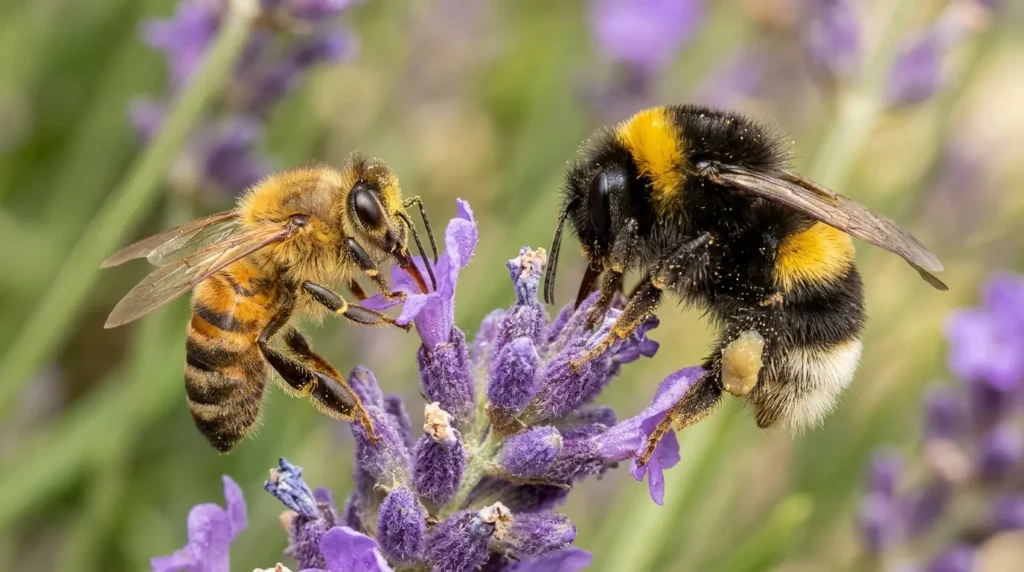
You can get a ‘package’ of bees (which consists of a queen and a few thousand worker bees in a box) or a ‘nuc’, which is a small colony that is already established and on a few frames.
Although nucs are more expensive, they generally get going quicker since the bees are already used to working together.
Regarding hive types, Langstroth hives are the ones recommended for a good reason since they are modular, easy to inspect, and work with almost any piece of equipment that you may wish to purchase afterwards.
Although top-bar hives are also an option, some hobbyists prefer them because they require less maintenance, even though they make the process of extracting honey a bit more involved.
Gear needed for backyard beekeeping
You needn’t purchase all the things that the catalogues attempt to sell you, but there are a few items which aren’t optional.
Wearing an appropriate bee suit or at least a veil and gloves will save you a great deal of trouble right from the start, before you’ve developed any tolerance to stings.
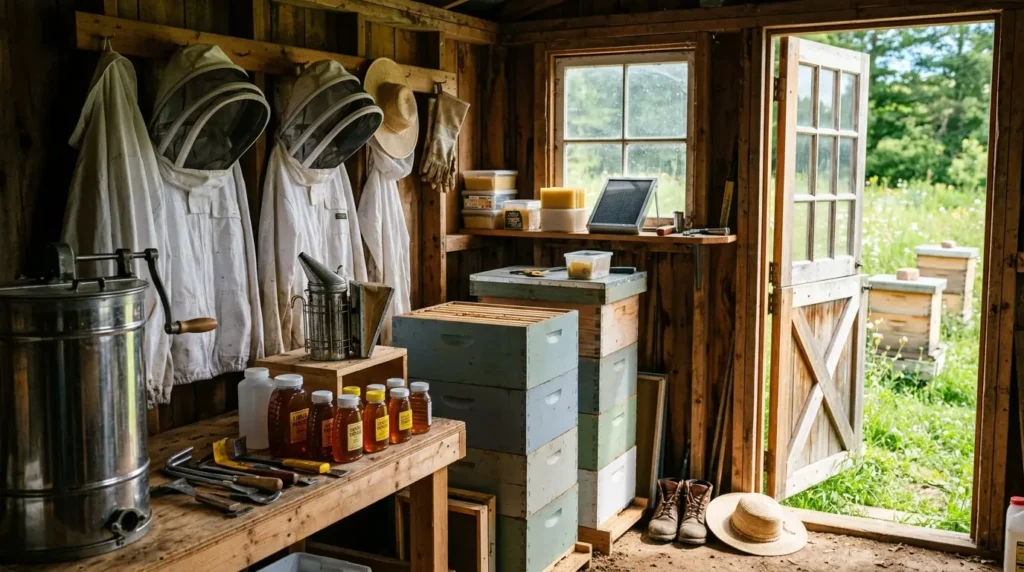
A smoker enables the colony to be calmed down during inspections by covering up the alarm pheromone that the guard bees emit.
A hive tool (used for prying the frames apart) completes the list of essential items. All the other equipment (such as extractors, uncapping knives and feeders) can be put off until you actually have honey that you need to deal with.
Feeding and watering the colony
Setting up a new colony requires a bit of assistance, particularly when you begin with a package rather than a nuc.
By providing sugar syrup (1:1 mix of sugar and water in the spring and then change to a 2:1 ratio in the fall) the bees will have a dependable food supply as they are still constructing their comb and haven’t yet gathered enough food on their own.
It’s also important not to omit a water source since the bees need it both to help control the temperature within the hive and to dilute the honey for the larvae.
If you don’t supply one, they’ll simply use your neighbor’s pool or birdbath.
A shallow dish containing some pebbles or floating corks so that the bees can land on them is quite adequate.
Inspecting the hive without stressing the bees
It is best to carry out your inspections with a clear objective rather than making them a routine. Simply opening the lid every day to have a quick look causes stress to the colony and hinders their work.
So, carrying out an inspection once every week or two during the active season is generally sufficient. When you are doing this, move slowly and use your smoker both at the entrance and under the lid.
Always look for the queen or at least signs of her (fresh eggs or a good brood pattern). While you are in the hive, keep an eye out for any signs of disease or mites.
Varroa mites are one of the principal dangers facing backyard colonies in North America. If left unchecked, colonies can collapse quickly.
Dealing with stings and swarms
Eventually, you will be stung even if you are careful in backyard beekeeping, which is why it’s useful to know the difference between normal and abnormal symptoms. Some swelling and redness at the spot is normal.
However, difficulty breathing, swelling that occurs a long way from where the sting happened, or feeling dizzy are not normal, and in those cases you should go to an urgent care facility.
Regarding swarming, it is a natural aspect of colony behavior, but you can lower the chance of it occurring by giving your bees sufficient space to expand and by adding extra boxes before the hive becomes overcrowded.
If you do see a swarm hanging in a tree, it will usually be calm and not aggressive since the bees have no hive to defend at that stage.
But it is still advisable to have an experienced person or your local beekeeping association deal with the situation rather than handling it on your own.
Harvesting honey without hurting the colony
Do not go ahead and collect honey in the first year. Newly established colonies need their stores to carry them through the winter.
One of the most frequent mistakes made in backyard beekeeping is to accidentally destroy the hive before it has reached its first birthday by taking too much honey too early.
When the colony is well established, a good guideline is to take only the surplus. Make sure that enough capped honey remains (usually between 60 and 90 pounds, depending on climate) so that the bees can get through the colder months without having to be fed supplementary food.
What you get from keeping bees in your backyard is far more the result of patience than of any one piece of equipment or technique.
If you get the initial arrangement correct, don’t rush when it’s time to harvest the honey, and pay attention to what the colony shows you during each inspection, then you’ll have a hive that remains productive for many years instead of one that fails after a harsh winter.
Leave a Reply