25 Easy-to-Care-for Plants for Permaculture
The most suitable plants for permaculture are those you plant once and then need little further attention.
All permaculture plants listed here either provide food for you, supply food for the soil, offer food for the insects you’d like to have, or do all three at once.
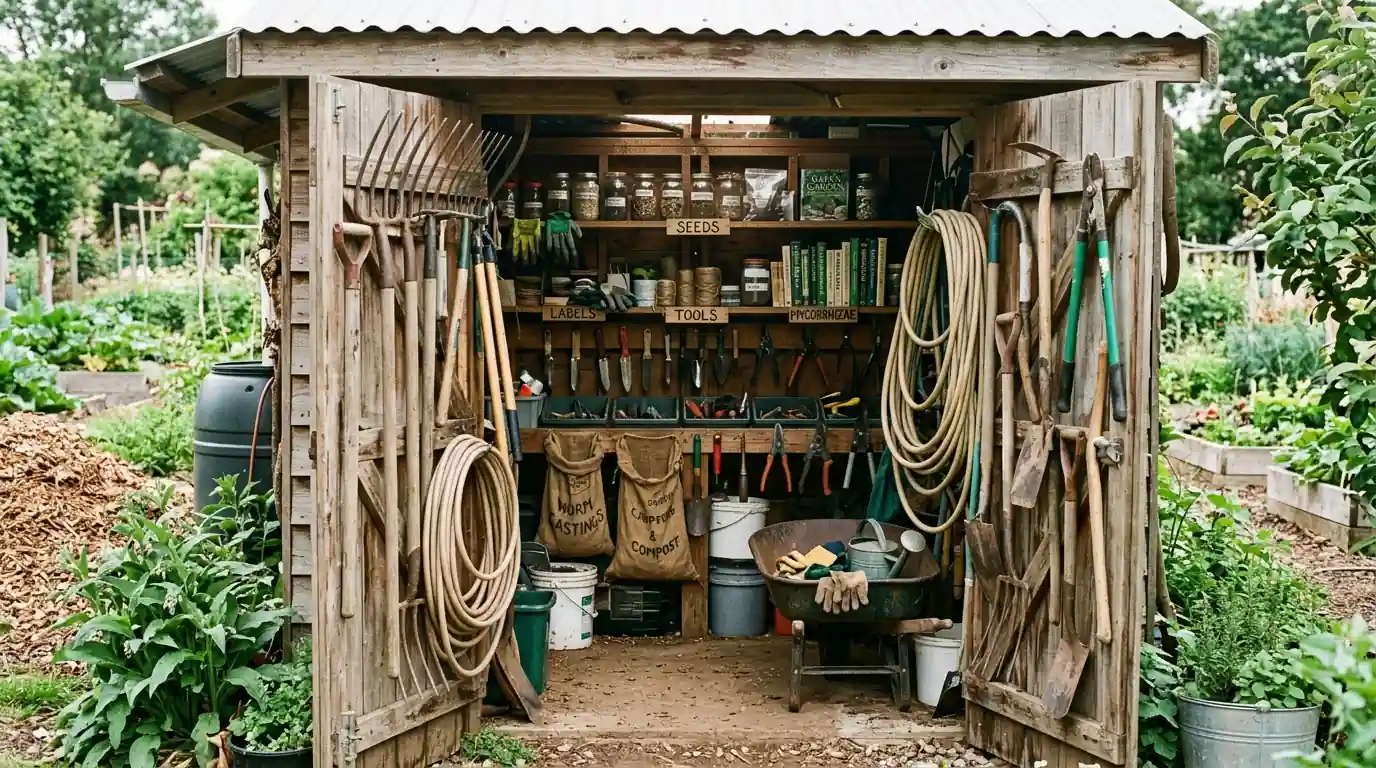
Also read: List Of All Useful Permaculture Tools
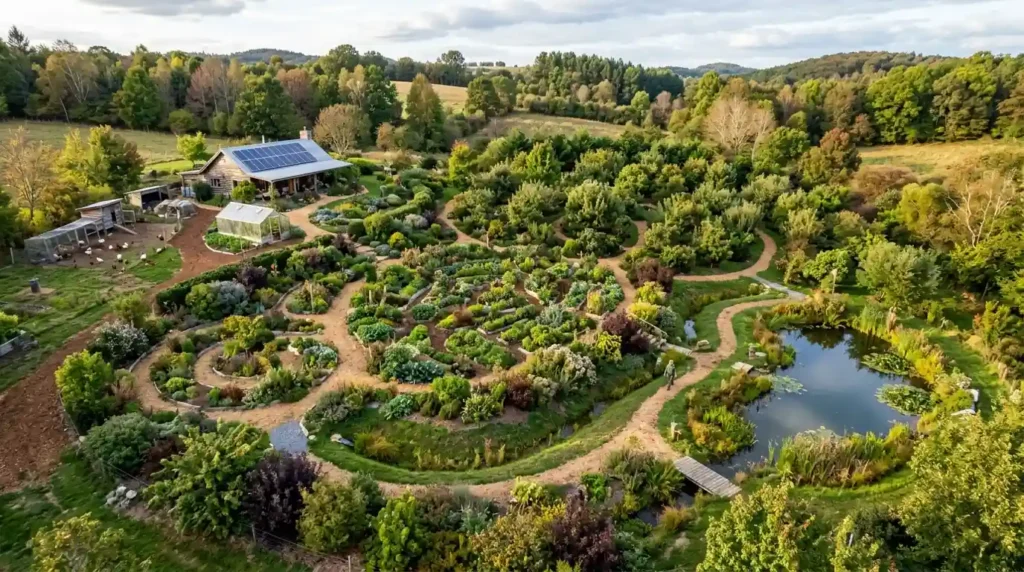
Before you begin, consider what each plant will do in your garden and where to place it. In about ninety percent of cases, you’ll want a plant that has more than one role.
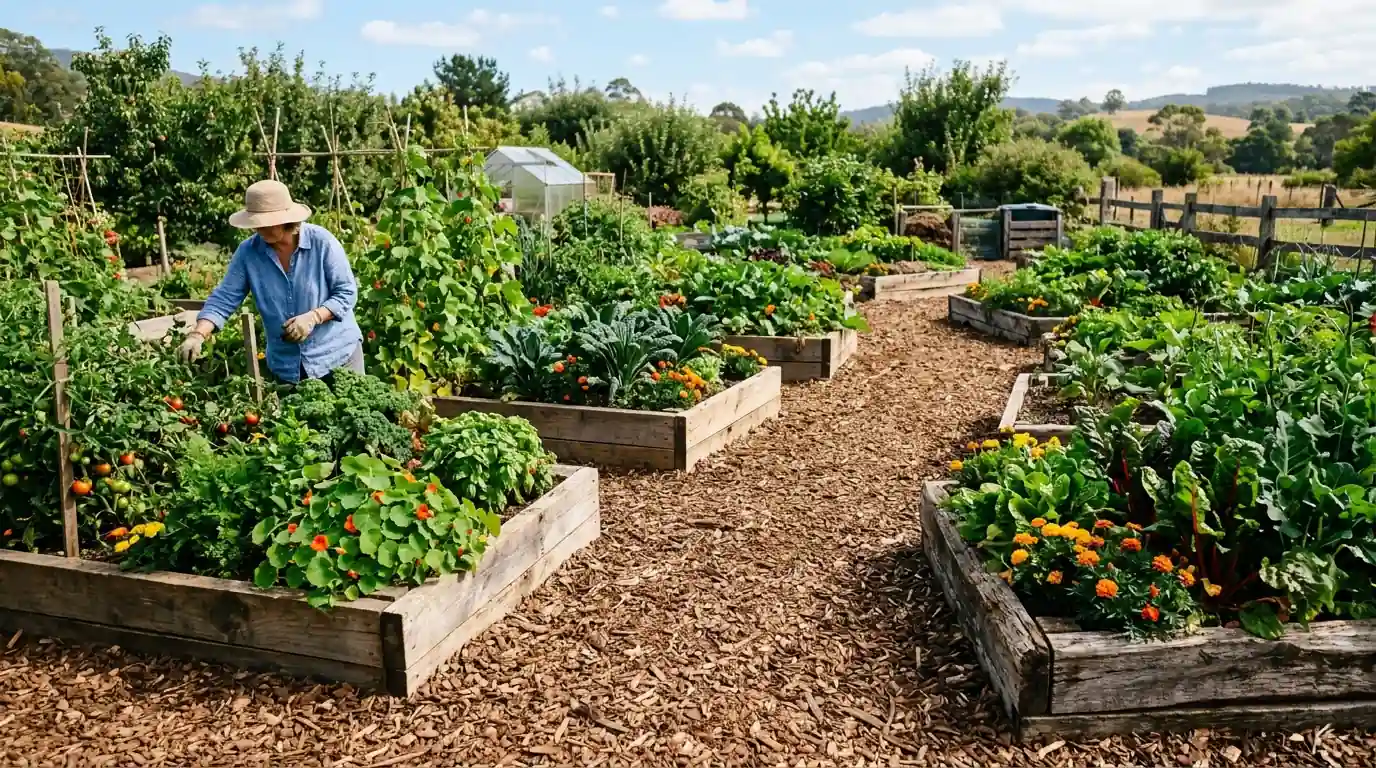
If you combine a few soil-improving plants for permaculture with some perennial food plants, you’ll set up a functional system rapidly, and none of these require a great deal of looking after.
Table of Contents
Soil enricher plants for permaculture
1. Russian comfrey (Bocking 14)
Comfrey is the typical example of plants for permaculture and rightly holds that position. The wild form common in the countryside spreads rapidly and is difficult to get rid of, so it’s better to use the sterile Bocking 14 variety.
A field trial supported by Cornell found that Russian comfrey acts as a dynamic accumulator of potassium and possibly silicon, a topic that is covered in this Cornell Small Farms report.
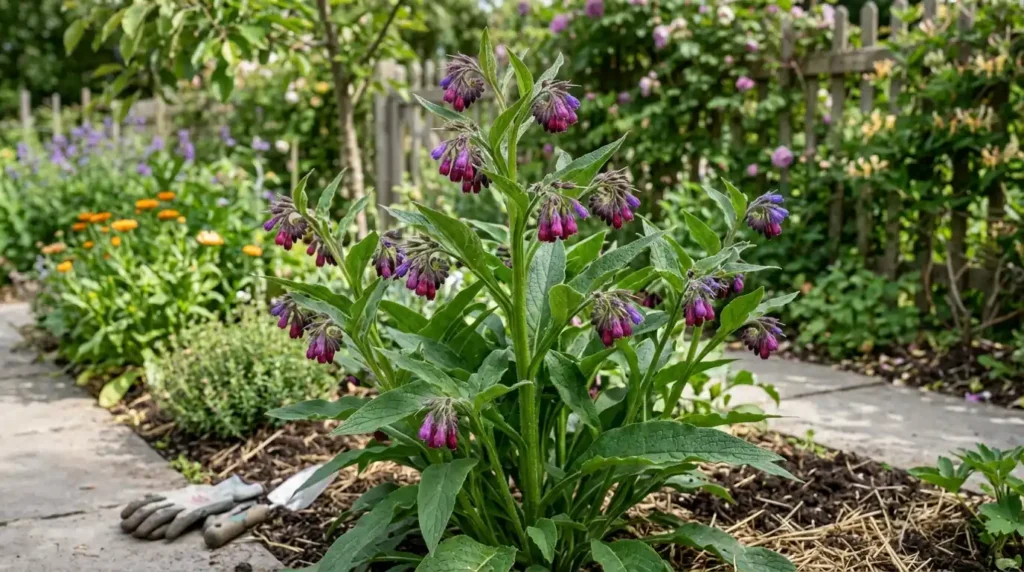
However, it should be noted that the same trial indicated that comfrey mainly draws nutrients from the upper layers of the soil, so do not expect it to function as a deep nutrient extractor.
You should cut the leaves and use them as mulch around fruit trees. Researchers have indeed tried dried comfrey leaves as a supplement in livestock feed, but you shouldn’t eat them yourself.
2. Stinging nettle
Although nettle is irritating, it is also one of the most thoroughly studied plants on this list. In the same Cornell experiment, common nettle was found to be a dynamic accumulator of calcium, and it was the only plant that definitely managed to obtain nutrients from the subsoil.
Also read: Permaculture Raised Beds: Tips for Beginners
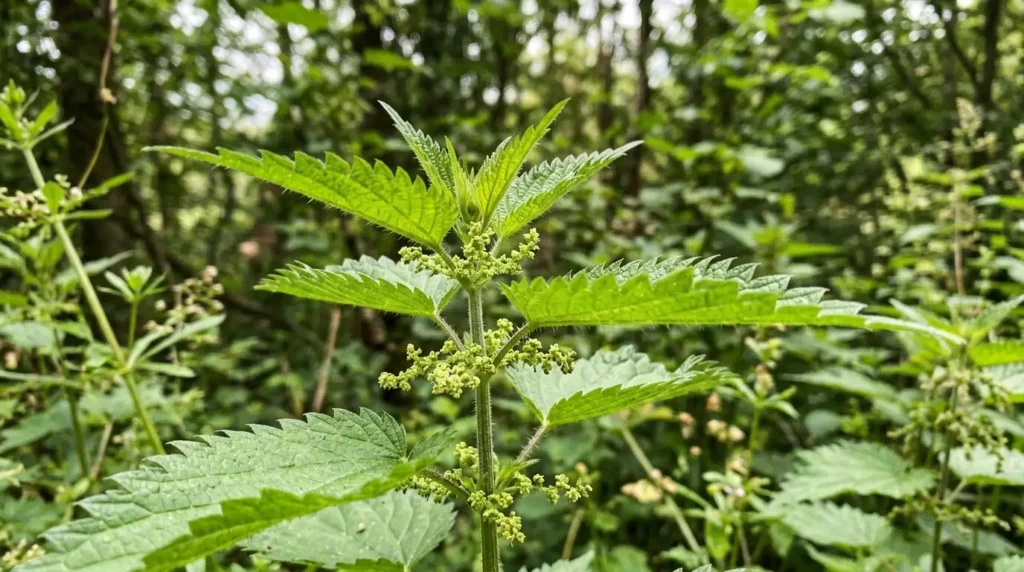
Put it in a corner that you don’t visit very often, wear gloves when you cut it, and use the leaves as mulch or in compost; cooked nettle leaves are also a good source of spring greens.
3. White clover
White clover is a low-growing type of living mulch which does not interfere with taller plants. Together with soil bacteria known as rhizobia, legumes such as clover form symbiotic relationships that act as the most important nitrogen-fixing agents in agricultural systems, as research explains.
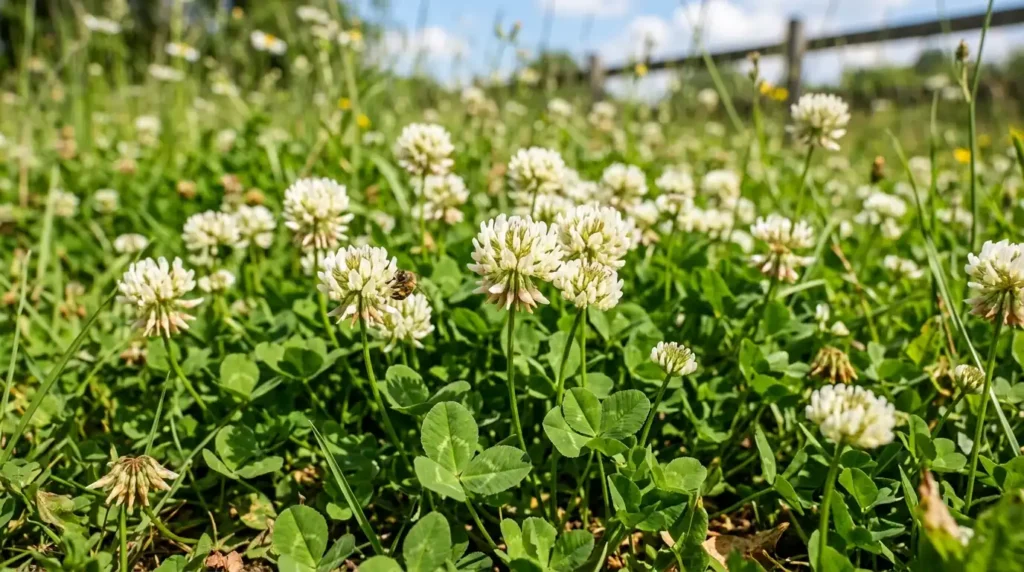
You should plant it under fruit trees and alongside paths since it endures foot traffic better than most plants, and thus you don’t need to be careful about it.
4. Red clover
Red clover outgrows white clover and has larger flowers which bumblebees prefer. It’s excellent for use in the alleys of an orchard and for the beds left between crop seasons.
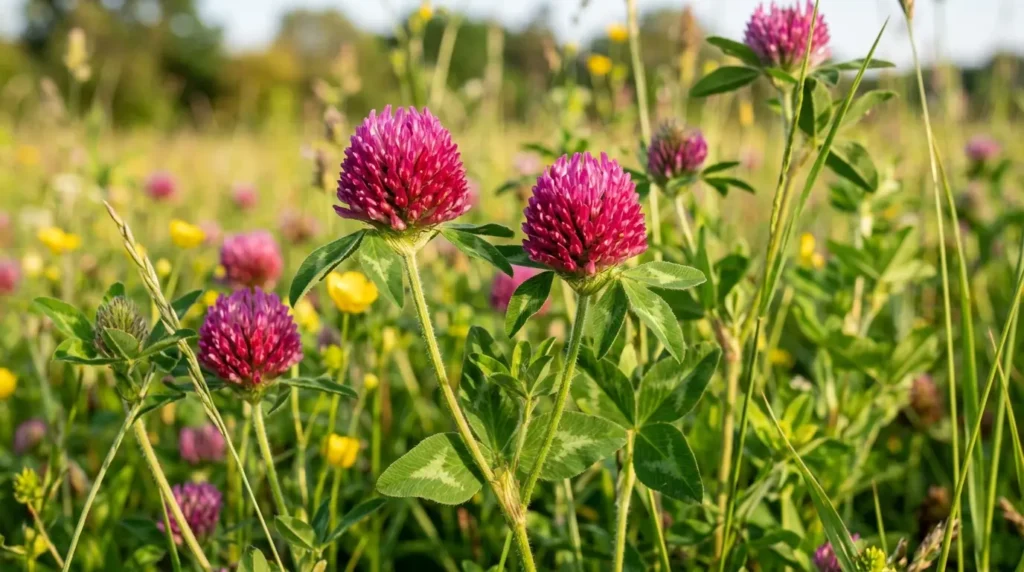
Once or twice each season, cut it back and leave the cuttings where they fall. Remember that it is a short-lived perennial, so allow some of the plants to produce seed if you want it to remain.
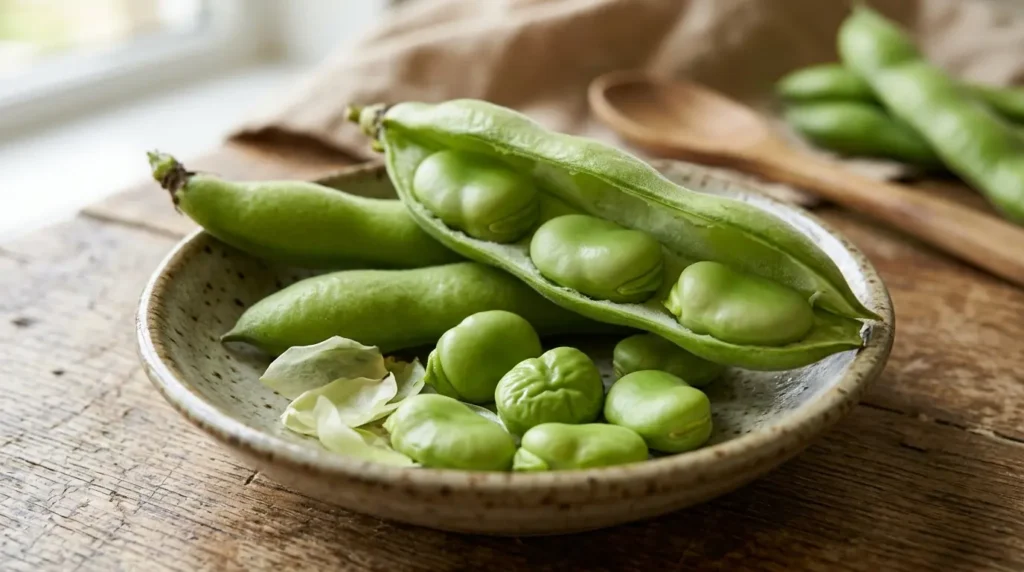
5. Fava beans
Fava beans are annual plants that thrive in the cooler seasons and are among the most tolerant vegetables available.
They have the ability to fix nitrogen, provide food for early bees, and yield a harvest of beans; after harvesting, the plants should be cut down at ground level and the roots left in the soil so that the nitrogen remains there.
The ACIAR monograph states that global agricultural nitrogen input increases by roughly 50 to 70 million tonnes each year as a result of nitrogen fixation associated with plants, and your fava bean plot is just a small part of that.
Pollinator plants for permaculture
6. Yarrow
Yarrow is almost impossible to destroy. It grows well in bad soil, tolerates dry conditions, and the flat tops of its flowers provide a place for small beneficial insects to rest.
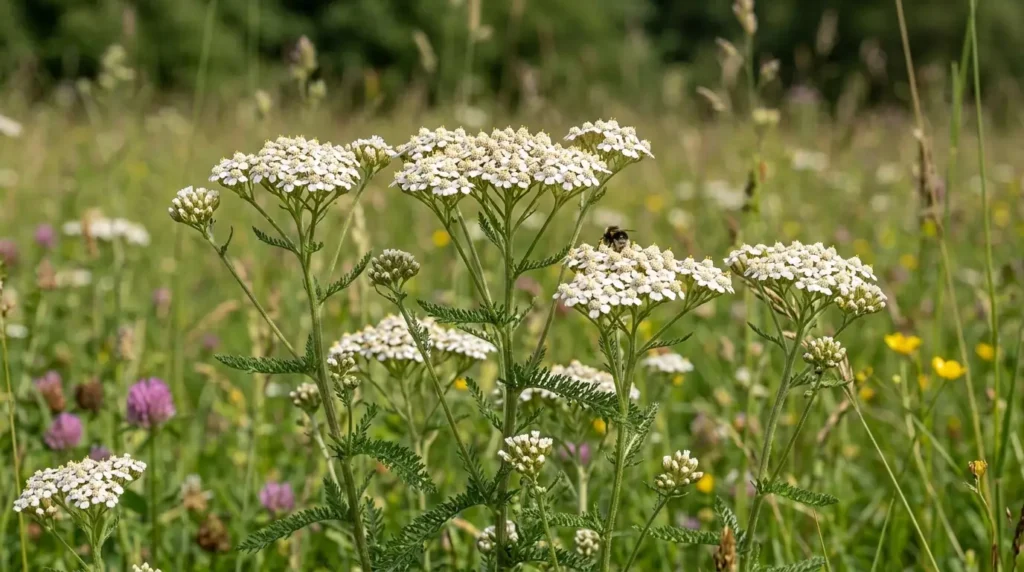
You should plant some clumps close to your vegetable beds and then leave them alone. If you wish for neater plants, remove the spent flowers, or otherwise keep the seed heads for the birds.
7. Borage
Borage attracts bees and has fuzzy leaves as well as blue, star-shaped flowers that are edible; it self-seeds so reliably that a single planting can remain productive for many years.
As a warning, it does have a tendency to appear in areas where you didn’t intend it to; remove the extra plants and use them as chop-and-drop mulch.
A field study showed that pollinator visits to strawberry crops were roughly 25% greater in areas where wildflower strips had been sown nearby. Something similar occurs on a smaller scale with a patch of borage.
8. Calendula
Calendula is an annual flower that produces orange and yellow blooms and will continue to bloom as long as you pick the flowers; it spreads on its own without becoming a problem and has edible petals.
You should plant it at the end of your beds so that you can see it frequently. However, it should be noted that research into planting flowers is not entirely positive since a meta-analysis of plantings along field edges found that studies regarding their effectiveness have given mixed results.
Therefore, regard flowers as just one useful element rather than a sure way of getting rid of pests.
9. Nasturtium
In warm weather, nasturtiums spread out, hang down, and keep flowering.
Both their leaves and flowers are edible and have a peppery taste, which is why gardeners usually grow them close to beans and brassicas as a kind of sacrifice against aphids.
They should be grown in poor soil since growing them in rich soil results in a great many leaves but fewer flowers.
10. Chives
Chives are hardy, perennial and difficult to kill; their purple pom-pom flowers attract bees, and the leaves give almost anything a slight onion flavour.
It’s necessary to divide the clumps every few years if you want to keep them healthy. Since they contain strong volatile compounds, alliums are often used as companion plants.
A study showed that when leek was used as a companion plant, it disturbed the feeding behaviour of green peach aphids, even though the aphids still managed to settle there, and it also had some unexpected effects on aphid survival.
For the full details, see the paper in Scientific Reports. To sum up, alliums do help, but they are not a magic shield.
11. Garlic chives
Garlic chives have flat leaves, taste garlicky, and produce white flowers which bees and hoverflies like.
Since they reseed readily, you should cut the flower heads before the seeds drop if you don’t want to end up with a garlic chive lawn.
They also provide a good amount of quick flavour when the rest of the garden is still getting going in spring.
12. Garlic
Put the cloves in the autumn, cover them with mulch and then harvest them in early summer. That’s all really necessary.
Garlic can be planted almost everywhere, such as between the roses and around fruit trees. If you save your biggest bulbs to replant them, you’ll never have to buy seed garlic once more.
Perennial food plants for permaculture
13. Perennial kale (Daubenton’s)
Since this kale usually doesn’t set seed, you should take cuttings and insert them directly into the soil.
In areas with mild climates, it provides you with edible leaves throughout the year and is more effective at resisting pests than annual kale.
Make it a habit to take some cuttings every year so that you always have a spare plant. It develops into a large shrublike plant, so make sure you allow it room to grow.
14. Jerusalem artichoke
It is also known as sunchoke and is a relative of the sunflower; the plant produces knobbly tubers that have a nutty taste.
It propagates through its tubers and will regrow even if only a small piece is left behind, so choose a location where it can grow freely.
Be careful about one point: the tubers can lead to gas if you eat too many, particularly on the first occasion. Begin with a small amount and gradually increase it.
15. Rhubarb
Rhubarb is a perennial plant which, each spring, becomes larger than it did before. When uprooting it, pull the stalks rather than the leaves since the leaves are poisonous.
It should be planted in soil that is rich in nutrients and should have a thick layer of compost added to it every year.
The plant is strong enough to cope with cold climates and provides you with pie filling earlier than most other crops do.
16. Asparagus
Although asparagus requires a good deal of patience, it can yield a harvest for 15 years or longer after it has been established.
It is necessary not to harvest the plants in their first two seasons since they need time to develop their root systems.
After that, pick the spears for a few weeks each spring and allow the ferns to grow for the remaining part of the year.
With the use of mulch, you can keep weeds under control, and this is one of the easiest long-term food crops you’ll ever plant.
17. Sorrel
The leaves of French sorrel have a lemony flavour and are good for use in salads and soups. It is a hardy perennial which can grow in either sun or partial shade and produces fresh leaves throughout the season.
To keep the leaves tender, the flower stalks should be cut off. It should be eaten in moderation because it contains oxalic acid.
18. Lovage
Lovage has the flavour of celery but with a more assertive character and can grow as high as six feet.
A single plant is sufficient for the average home; the leaves can be used in soups and stocks while the hollow stems provide a pleasant though unusual straw for a Bloody Mary.
If you place it at the back of a bed, it will come back year after year.
19. Daylily
Daylilies grow in dense clumps, suppressing weeds and requiring very little care; their flower buds are edible, and the plants can endure poor soil, heat, and neglect.
However, it should be noted that daylilies are poisonous to cats, so do not choose this plant if you have a cat that enjoys eating plants.
When eating them yourself, it’s a good idea to start with a small amount since some people do react to them.
Herbs that fend for themselves
20. Mint
If you allow it, mint will take over your garden; you can plant it in a bucket with no hole at the bottom, which is set into the soil or in an area surrounded by paths and buildings.
Bees enjoy the flowers, and you will have plenty of leaves for making tea. Whenever the season allows, cut the plant back severely a few times to keep it under control.
21. Oregano
Oregano is a herb from the Mediterranean region and thrives in sun with soil that drains well; it spreads to form a dense mat which keeps weeds under control, and the flowers attract a large number of small pollinators.
After it has finished flowering, prune it, and it will regrow. It makes an excellent choice for edging a path or a raised bed.
22. Thyme
Thyme is also a plant that loves the sun and favours soil which is lean and well-drained; the creeping varieties can be grown as an edible ground cover between the stepping stones.
It is best not to use any fertilizer and to avoid watering it too much since it enjoys being neglected, something that is very suitable for permaculture.
23. Sage
Sage is a woody perennial having soft gray-green leaves and purple flowers which bumblebees love. After it has been established, it can tolerate drought.
Each spring, give it a light pruning and replace the plants every four or five years if they become leggy. If necessary, you can take cuttings in summer to produce new plants free of charge.
Shrubs that carry a food forest
24. Elderberry
Elderberry is a shrub that grows quickly and produces large clusters of flowers in early summer as well as dark berries in late summer; it does best in moist soil and is capable of tolerating a wide variety of conditions.
The berries should be cooked before being eaten since eating them raw may cause stomach upsets. By pruning out the old wood in winter, you will have a heavier crop the next year.
25. Currants and gooseberries
They can grow in partial shade, which is why they are well suited to the borders of a forest garden since other fruit plants have difficulty there.
The shrubs are cold-hardy, generally free from serious pests, and are easy to propagate by cuttings. You should plant them beneath taller trees, give the soil a good mulch, and harvest the fruit in midsummer.
Blackcurrants have a particularly strong flavour, so if you are only planting one type, then choose that one.
Getting started with plants for permaculture
You shouldn’t plant all 25 at once. Instead, begin with three or four plants for permaculture that address a problem you currently have.
A clover ground cover for bare soil, a comfrey patch to provide mulch, a few herbs placed near the kitchen door, and one flowering plant for the pollinators.
When those have been established, then add more in layers as you gain a better understanding of how your site behaves.
In the permaculture field, claims such as those concerning dynamic accumulators have only very recently begun to be subject to proper testing, and cover crops do result in measurable improvements to the soil.
A meta-analysis of cover crops showed that, compared to not using cover crops, cover crops increased particulate organic carbon by around 23% and microbial biomass carbon by about 20% in the topsoil.
That said, the outcomes will vary depending on your climate and soil type, so you should keep an eye on what takes place in your own garden and make the necessary adjustments to your approach.
Also read: How to Start Backyard Beekeeping: Easy Guide

6 Comments