Garden Language Vocabulary: Important Daily Use Terms
Garden language is the specialized vocabulary, labels, and naming conventions gardeners, growers, and plant scientists use to describe plants, soil, weather, tools, and growing techniques.
It includes everyday terms like “mulch” and “deadheading,” classification terms like “genus,” “species,” and “cultivar,” and climate terms like “hardiness zone.”
Learning garden language lets you read seed packets, plant tags, and growing guides accurately, so you can pick the right plant for the right spot and avoid costly mistakes.
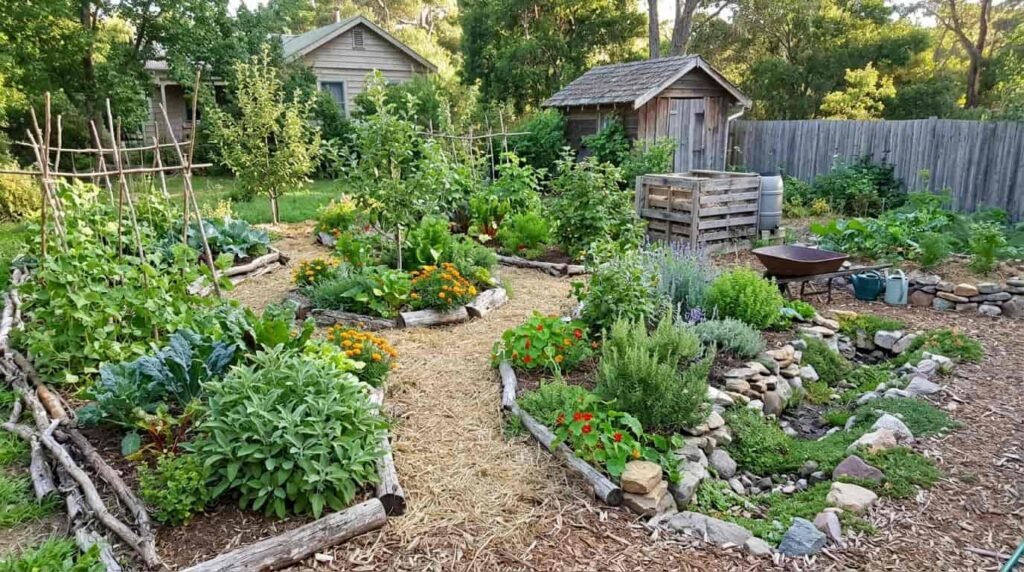
If you are building your gardening vocabulary from scratch, think of it as a glossary of plant terminology that grows with you. The more gardening terms you understand, the easier it gets to follow expert advice, compare plant varieties, and diagnose problems in your beds.
Table of Contents
Garden Language for Plant Life Cycles
Early on, you will notice that plants come with a lifespan label. These labels tell you whether to expect a one-season show or a long-term resident, so it’s worth learning them first.
- Annual: completes its whole life cycle in one growing season. Plant it, enjoy it, and expect it to be gone by winter.
- Biennial: takes two years, usually growing leaves in year one and flowering in year two.
- Perennial: returns year after year, though the top growth may die back in colder months.
You will also see the words “hardy,” “half-hardy,” and “tender.” Hardy plants survive frost, tender plants do not, and half-hardy plants sit somewhere awkwardly in between. Keep in mind that a plant labeled “hardy” in one region can still struggle in another, which brings us to climate.
Garden Language for Climate and Zones
Hardiness zones are one of the most useful pieces of garden language you can learn. The USDA Plant Hardiness Zone Map divides North America into zones based on average annual minimum winter temperature, with each zone covering a 10-degree Fahrenheit band and each half zone covering 5 degrees. If a plant tag says “zones 5 to 9,” your local zone needs to fall inside that range for the plant to survive winter reliably.
Two more terms that trip up beginners:
- Hardening off: gradually exposing seedlings grown indoors to outdoor conditions over a week or two. Skipping this step is a quick way to turn healthy seedlings into very sad ones.
- Microclimate: a small area, like a sunny wall or a frost pocket, that behaves differently from the rest of your garden.

Garden Language for Soil
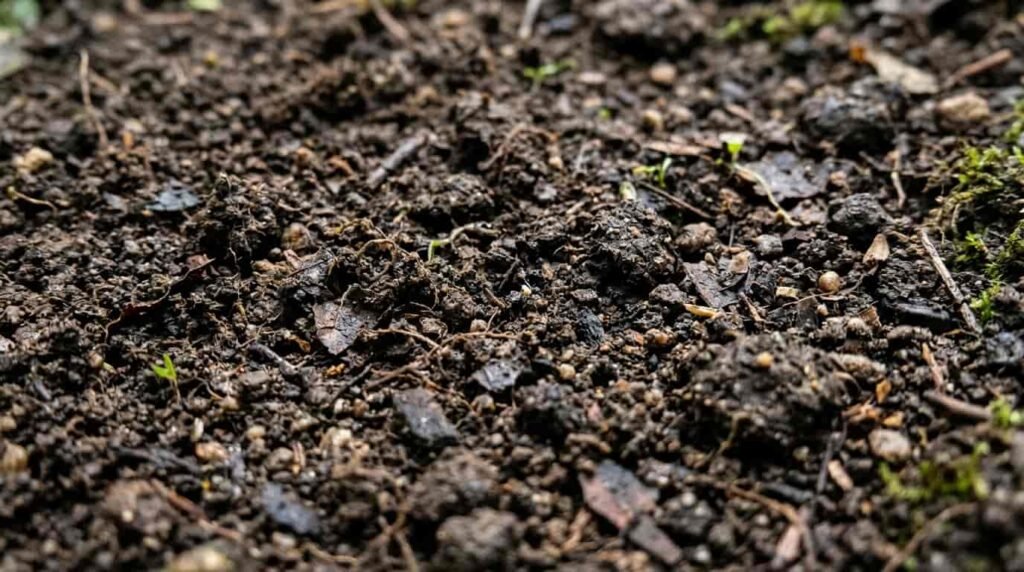
Soil vocabulary sounds fancy, but the basics are simple. Soil is made of sand, silt, and clay, and the balance between them is called its texture. A balanced mix is called loam, and most gardeners treat it as the gold standard. You can look up the soil types in your own area with the USDA Web Soil Survey, which is free and surprisingly detailed.
Other soil terms worth knowing:
- pH: how acidic or alkaline your soil is. Most vegetables prefer slightly acidic to neutral soil.
- Tilth: how crumbly, loose, and workable your soil is. Good tilth means roots can spread easily.
- Compost: decomposed organic matter that feeds soil and improves its structure.
- Mulch: a layer of material spread over the soil surface to hold moisture, suppress weeds, and regulate temperature.
Garden Language for Plant Names
Plant names are where garden language gets truly international. Scientists use binomial nomenclature, a two-part Latin name made of a genus and a species, such as Solanum lycopersicum for the tomato. The genus is capitalized, the species is lowercase, and both are italicized. The International Code of Nomenclature for algae, fungi, and plants, which is as official as plant naming gets.
You will also meet these terms on plant tags and seed packets:
- Cultivar: a plant selected and cultivated for specific traits, written in single quotes, like Solanum lycopersicum ‘Sungold’.
- Variety: a naturally occurring variation within a species.
- Hybrid (F1): the offspring of two different parent lines, often bred for vigor or uniformity. Seeds saved from them may not grow true to type.
- Heirloom: an open-pollinated variety passed down for generations.
If you ever get stuck on a scientific name, the Plants of the World Online database is a trustworthy place to check what a plant is officially called.
Garden Language for Growing and Care
Once your plants are in the ground, a whole new set of action words appears. Here are the ones you will use most often.
- Germination: the moment a seed sprouts.
- True leaves: the second set of leaves a seedling grows, which look like the adult plant’s leaves rather than the first rounded “seed leaves.”
- Thinning: removing extra seedlings so the strongest ones have room to grow.
- Deadheading: removing spent flowers to encourage more blooms.
- Pruning: cutting back stems or branches to shape a plant or improve its health.
- Bolting: when a plant, such as lettuce or spinach, flowers too early and turns bitter, usually because of heat or long days.
- Damping off: a fungal problem that makes seedlings collapse at the soil line, usually from overly wet conditions.
Always think about why you are using each technique. Deadheading a perennial can mean more flowers, but deadheading a plant you want to save seed from means you will get nothing to collect. Use these tools wisely.
Why Garden Language Is Worth Learning
Beyond making you sound like you know what you are doing at the garden center, understanding this vocabulary has real payoffs. Research backs up the idea that gardening itself is good for you. A meta-analysis published in Preventive Medicine Reports found that gardening was linked with benefits including reduced depression and anxiety and increased life satisfaction and sense of community. The better you understand your garden, the more likely you are to keep at it.
Start Speaking Garden Today
You do not need to memorize every term at once. Pick a few words from each section above, then look for them the next time you read a plant tag or seed packet. Within a single season, most of this garden language becomes second nature, and every gardening guide you read makes a lot more sense. Just remember that even experienced gardeners still look up a term now and then, so keep this glossary handy and let your vocabulary grow along with your plants
Also read: