Nutritional Benefits of Organic Castor Oil in Everyday Use
Organic castor oil is a thick, pale yellow vegetable oil pressed from the Ricinus communis plant, grown without synthetic pesticides or fertilizers and processed without chemical solvents.
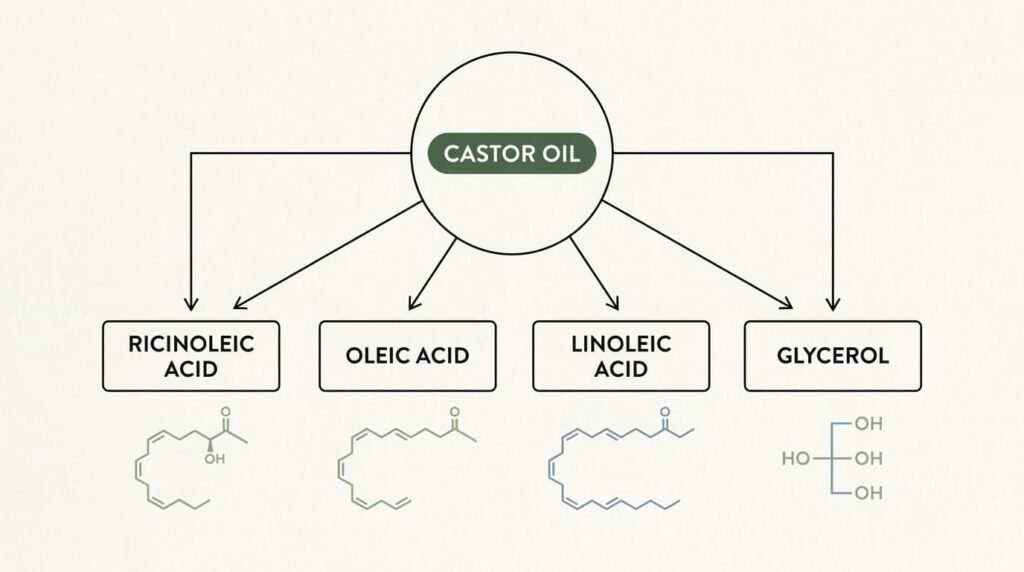
It is made up of roughly 90% ricinoleic acid, a hydroxylated fatty acid that is rare in the plant world and responsible for most of the oil’s effects on the body. It is used in small amounts as a stimulant laxative and a skin and hair moisturizer.
Organic certification means the castor beans were farmed without synthetic inputs, while terms like hexane-free and cold-pressed describe how the oil was extracted. Together, they point to a purer ricinoleic acid oil that suits both internal and topical use.
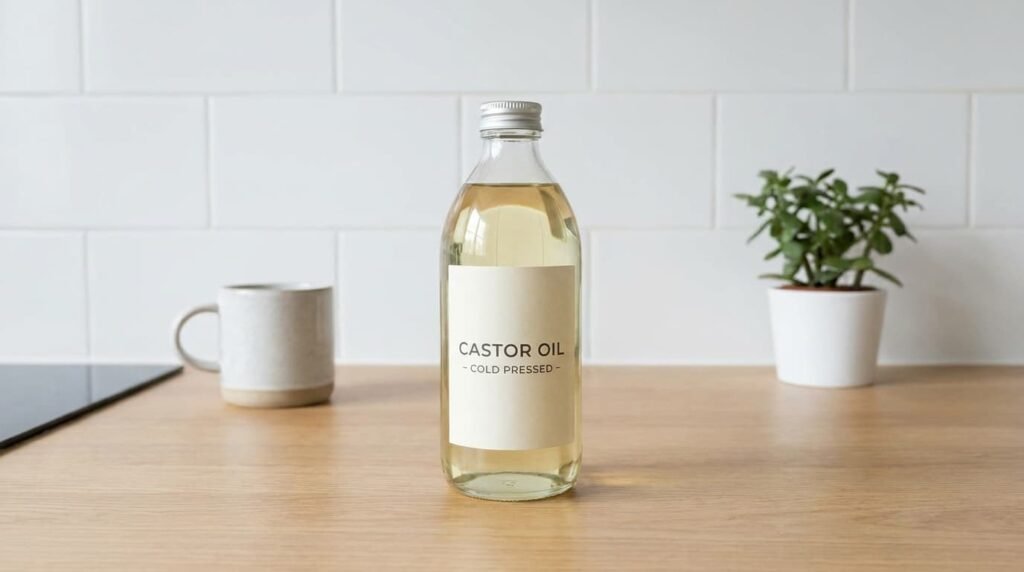
Table of Contents
Organic Castor Oil Components
Castor oil is a triglyceride, which is a fancy way of saying it is almost entirely fat. Its signature fatty acid is ricinoleic acid, and according to published pharmacology research from the National Library of Medicine, the oil is characterized by a high content of this hydroxylated, unsaturated compound. When you swallow it, gut lipases release ricinoleic acid, and a considerable amount is absorbed.
Keep in mind that this is not a vitamin or mineral supplement in a bottle. You’ll see some websites claim organic castor oil is packed with vitamins and minerals, but the oil is better understood as a source of one specific fat.
Digestive Support
The most reliable benefit of organic castor oil is also the one that surprises people the most. It works as a stimulant laxative. Researchers found that ricinoleic acid activates EP3 prostaglandin receptors on intestinal smooth muscle cells.
That said, this is a short-term tool, not a daily habit. Typical side effects include cramping, nausea, and fluid or electrolyte loss when it’s overused. Follow the dosing instructions on your specific product, and don’t be tempted to take a bit extra because the first dose is slow. Castor oil usually works within hours, and more is not better.
Skin, Hair and Topical Use
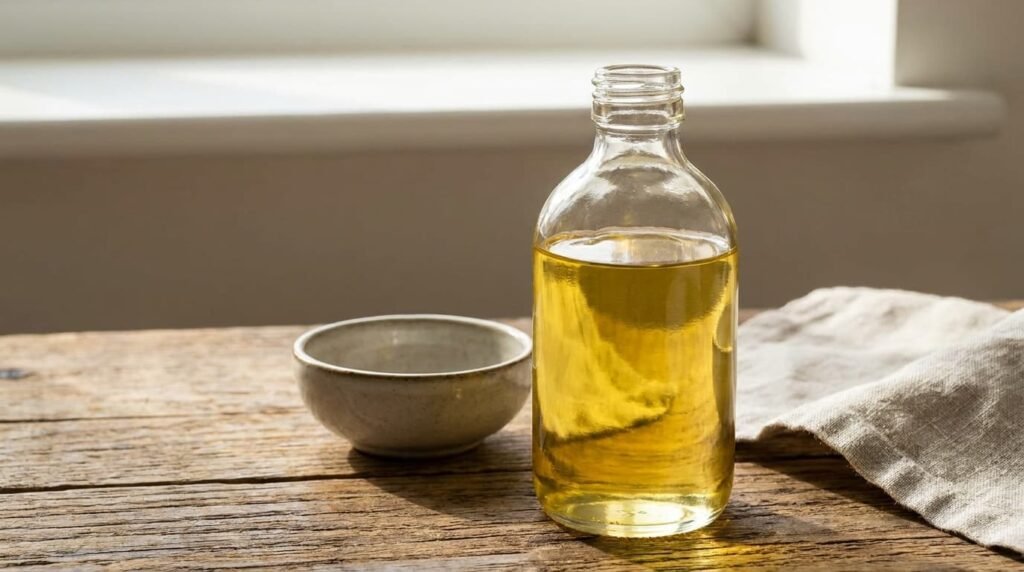
This is where most people actually use organic castor oil day to day. Its thick texture makes it a good occlusive moisturizer, meaning it sits on the skin and helps hold water in. You can dab a little on dry elbows, cracked heels, or lips, or smooth a few drops through the ends of your hair.
Be realistic about the evidence, though. Lab and small clinical studies suggest ricinoleic acid has some anti-inflammatory and antimicrobial activity, but strong human trials are limited, and claims about hair growth, stretch marks, or curing acne are mostly anecdotal. A few simple habits make topical use easier:
- Patch test first on your inner forearm and wait a day.
- Blend it with a lighter carrier oil like jojoba, since pure castor oil is very sticky.
- Use a small amount, because a little goes a long way.

Please Don’t Cook With It
It can be tempting to treat any plant oil like a kitchen oil, but organic castor oil isn’t one. Its strong laxative effect means a tablespoon in your stir-fry could send you running for the bathroom.
Also remember that raw castor beans contain ricin, a toxin, which is removed during proper processing of the oil. Always buy oil clearly labeled as food-grade, pharmaceutical-grade, or cosmetic-grade, and never try to press or prepare castor beans at home.
Who Should Skip It
Some people should talk to a doctor before using organic castor oil internally, and some should avoid it completely:
- Pregnant people, since castor oil can stimulate uterine contractions.
- Anyone with a suspected bowel blockage, unexplained stomach pain, or inflammatory bowel disease.
- Children, unless a doctor says otherwise.
- People taking diuretics or other medicines that affect potassium, since laxatives can lower it further.
When in doubt, ask a pharmacist. This isn’t medical advice, and your own health history matters more than any general guide.
Brand Selection
A few quick checks will save you money and disappointment. Look for a certified organic seal from a recognized body, a cold-pressed or expeller-pressed label, and dark glass to protect the oil from light.
A clear ingredient list with a single item, Ricinus communis seed oil, is what you want. Store it in a cool, dark cupboard, and skip anything that smells strongly rancid.
Making It Part of Your Routine
Finally, so the oil isn’t oversold, the honest answer is that organic castor oil is a handy specialty product rather than a nutritional powerhouse.
Use it occasionally for short-term constipation if your doctor is on board, lean on it as a moisturizer for dry skin and hair, and keep your everyday nutrition coming from whole foods and proper cooking oils. Used with that mindset, it’s a small but useful addition to your cabinet.
Also read: